12 Best Lifesight Alternatives for Marketing Measurement in 2025
Compare top Lifesight alternatives for unified marketing measurement, MMM, and attribution. Find the right measurement platform for your budget and needs.
Lifesight built its reputation on unified marketing measurement—combining MMM, MTA, incrementality testing, and causal AI in one platform. But it's not the only option. And depending on your needs, it might not be the best one.
Lifesight alternatives range from enterprise-grade incrementality platforms to open-source MMM frameworks. Some emphasize AI-driven action. Others focus on experimental rigor. A few are completely free if you have the data science resources.
The right choice depends on your measurement philosophy, budget, and what questions you're actually trying to answer. This guide breaks down the landscape so you can make an informed decision.
According to Gartner research, 76% of marketers lack confidence in their measurement capabilities. The platform you choose directly impacts whether you join the minority that actually understands what's working.
Why Look for Lifesight Alternatives?
Before diving into alternatives, it's worth understanding why marketers explore other options.
Lifesight excels at:
- Unified measurement combining multiple methodologies (MMM, MTA, incrementality, causal AI)
- Privacy-first design for cookieless measurement
- Self-service scenario planning and budget optimization
- Mid-market to enterprise organizations wanting comprehensive analytics
Common reasons to explore alternatives:
- Methodology preferences: You want deeper specialization in incrementality testing, pure MMM, or AI-driven optimization
- Implementation approach: Prefer consultative guidance over pure self-service
- Budget constraints: Need options at different price points
- Technical requirements: Different integration capabilities or open-source preferences
- Industry focus: Looking for solutions tailored to ecommerce, B2B, or specific verticals
The marketing measurement landscape offers diverse approaches. Unified measurement is one philosophy—but not the only valid one.
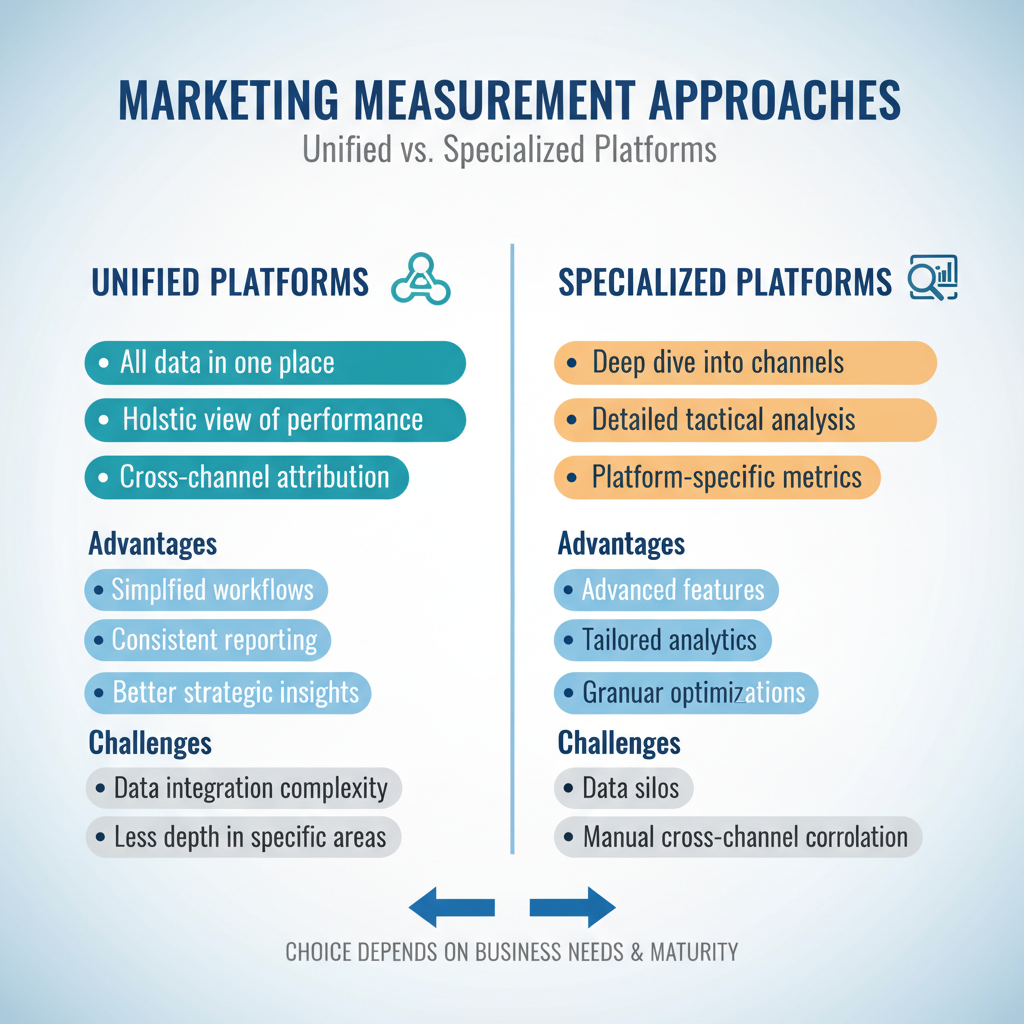
Different measurement philosophies serve different organizational needs—the best choice depends on your specific context
Top Lifesight Alternatives by Category
Our Top Pick
1. BlueAlpha.ai
Best for: AI-powered marketing measurement with expert guidance and transparent recommendations
BlueAlpha.ai stands out as the most compelling Lifesight alternative for organizations prioritizing action over analysis paralysis. Founded by former Tesla growth leaders, BlueAlpha takes an AI-native approach that transforms measurement into optimization.
Where Lifesight unifies methodologies for comprehensive measurement, BlueAlpha deploys purpose-built AI agents that handle specific challenges—from media mix modeling to incrementality analysis to budget optimization. These agents work together to provide unified insights while delivering actionable recommendations with transparent reasoning.
Key strengths:
- AI-native platform built for modern measurement challenges
- Unified data pipelines eliminating silos between channels
- Real-time decision support with specific, actionable recommendations
- Combines MMM, incrementality, and attribution methodologies
- Transparent AI that explains its reasoning—not a black box
- Expert guidance through consultative implementation
Why it's our top pick:
Most measurement platforms present data and expect you to interpret it. BlueAlpha's agent-based approach handles the analytical complexity while delivering insights marketers can actually act on. The consultative approach ensures proper implementation and interpretation—not just software access.
For organizations that want AI driving recommendations with expert support, BlueAlpha fills the gap between self-service analytics and full-service agencies. It delivers enterprise-grade measurement without requiring in-house data science teams.
Incrementality Testing Platforms
For marketers wanting experimental proof rather than statistical models, dedicated incrementality platforms offer rigorous alternatives.
2. Measured.com
Best for: Enterprise brands requiring scientific rigor and automated geo-testing
Measured.com pioneered automated geo-testing for marketing measurement. Rather than modeling incrementality, Measured runs actual experiments—holding out geographic regions to prove (not estimate) marketing impact.
Key strengths:
- Automated geo-testing at scale across channels
- Cross-channel incrementality including walled gardens
- MMM calibration using experimental results
- Privacy-compliant architecture without user-level tracking
- Enterprise-grade support and methodology
Notable approach:
Measured's experimental methodology provides higher confidence than purely observational methods. Research from Nielsen suggests geo-testing delivers 30-40% more accurate ROI estimates than correlation-based attribution.
For deeper comparison, our Measured.com vs BlueAlpha.ai analysis breaks down when each approach makes sense.
Considerations: Geo-tests require time (4-8 weeks per test) and sufficient scale for statistical significance. This isn't for quick tactical decisions—it's for strategic validation.
3. Haus.io
Best for: Mid-market brands wanting experiment-led measurement with statistical rigor
Haus takes a rigorous experimental approach, offering A/B testing, incrementality experiments, demand forecasting, and scenario planning—all built on proper statistical methodology.
Key strengths:
- Both user-based and geo-based holdout testing
- First-party data focused (privacy-compliant by design)
- Integrates with existing data warehouses
- Automated data ingestion and quality monitoring
Notable clients: Caraway, FanDuel, Jasper, Tally
According to Harvard Business Review research, randomized controlled experiments remain the gold standard for establishing causal relationships. Haus delivers this rigor in an accessible platform.
Considerations: Proper experimentation requires patience and statistical power. You can't run meaningful geo-tests with limited budgets—Haus works best for brands with sufficient scale.
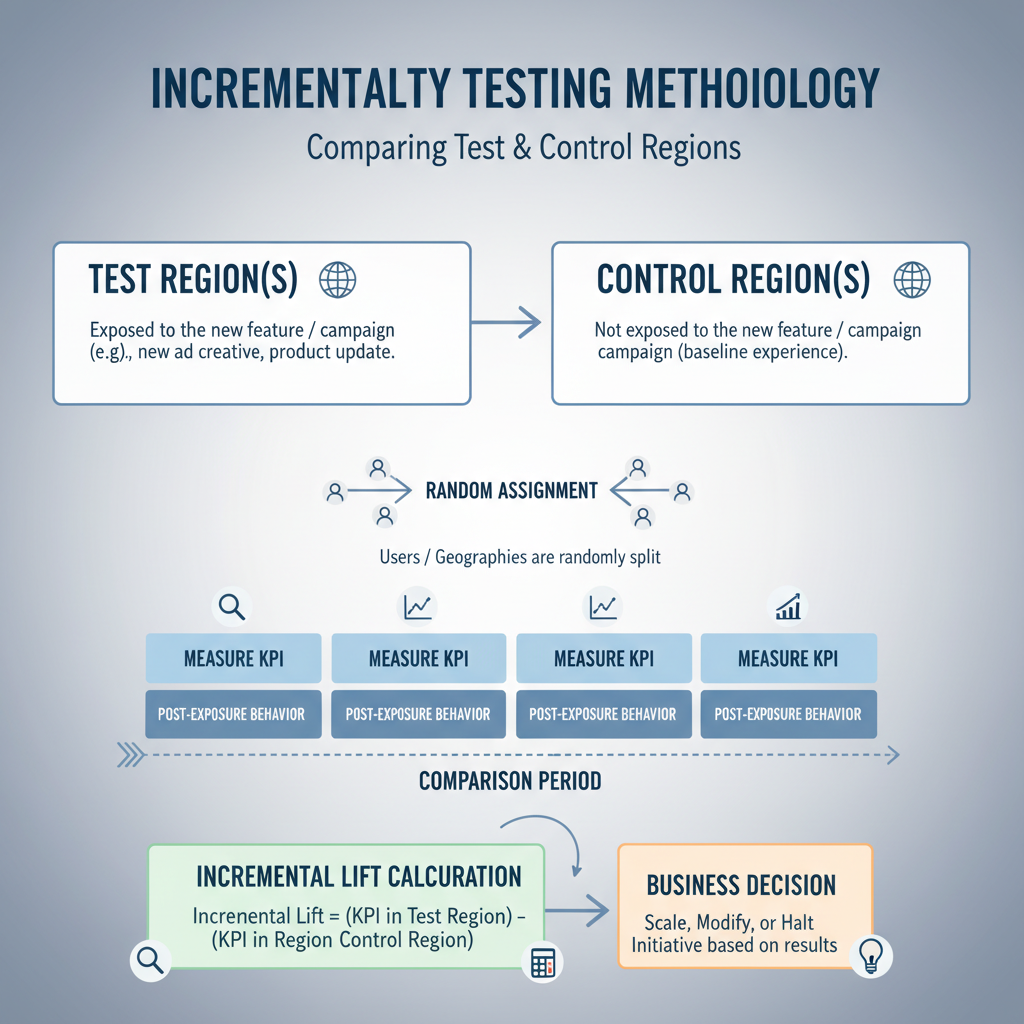
Experimental approaches provide causal proof rather than statistical estimates
4. INCRMNTAL
Best for: Continuous incrementality measurement without holdout tests
INCRMNTAL takes a novel approach by treating organic changes in your marketing (budget shifts, new creatives, paused campaigns) as natural experiments. Instead of deliberately withholding ads, it analyzes measurement opportunities created by normal marketing activities.
Key strengths:
- No holdout required—measures incrementality continuously
- Accounts for seasonality and promotional effects
- Works without user-level data
- Accessible pricing starting at $1,000/month
Notable clients: Bolt, Binance, Hopper
This approach has real advantages. Traditional incrementality testing requires sacrificing reach for measurement. INCRMNTAL captures signals without that sacrifice—though you're dependent on natural variation in your marketing activities.
Considerations: If campaigns run steady-state without changes, there's less signal to analyze. Works best for dynamic marketing environments.
Marketing Mix Modeling Platforms
For organizations wanting strategic, aggregate measurement, dedicated MMM platforms offer alternatives to Lifesight's unified approach.
5. SegmentStream
Best for: Upper-funnel campaign measurement and awareness channel evaluation
SegmentStream uses AI-driven attribution modeling to tackle one of marketing's hardest problems: measuring channels that don't get last-click credit. Their approach analyzes impressions, clicks, CRM data, and user behavior to determine each channel's true contribution.
Key strengths:
- Strong evaluation of awareness channels (paid social, display, video)
- Unified cross-channel dashboards
- Insights into "direct/none" and brand search conversions
- Handles cookieless measurement challenges
Notable clients: L'Oréal, KitchenAid, Revolution Race, Ribble Cycles
If you're spending heavily on upper-funnel channels and struggling to prove ROI, SegmentStream addresses that specific pain point. Understanding funnel-stage budget allocation is critical here—the platform excels at revealing hidden value in awareness campaigns.
6. Objective Platform
Best for: Brands wanting MTA + MMM combination with testing validation
Objective Platform combines multi-touch attribution with marketing mix modeling and testing tools. This hybrid approach addresses limitations of individual methodologies—using MTA for granular insights and MMM for strategic allocation.
Key strengths:
- Integrates MTA for user-level insights
- MMM for aggregate channel measurement
- Testing capabilities for validation
- Handles both online and offline channels
For marketers frustrated by the limitations of pure MTA or pure MMM approaches, Objective Platform's combination offers more complete answers.
Considerations: Hybrid platforms manage complexity. Ensure your team can interpret outputs from multiple methodologies working together.
Multi-Touch Attribution Platforms
For digital-heavy marketers wanting granular attribution, these platforms offer alternatives with different strengths than Lifesight's unified measurement.
7. Rockerbox
Best for: DTC and ecommerce brands wanting unified attribution with deep platform integrations
Rockerbox offers comprehensive multi-touch attribution, marketing mix modeling, and testing—built specifically for direct-to-consumer brands.
Key strengths:
- Multi-touch attribution across digital channels
- MMM capabilities for holistic measurement
- Journey analytics showing customer paths
- Deep ecommerce integrations (Shopify, Klaviyo)
Rockerbox has built a strong reputation in the DTC space. Out-of-box integrations accelerate time-to-value significantly for ecommerce operations.
Considerations: Strongest for ecommerce. B2B and offline-heavy businesses may find limited applicability.
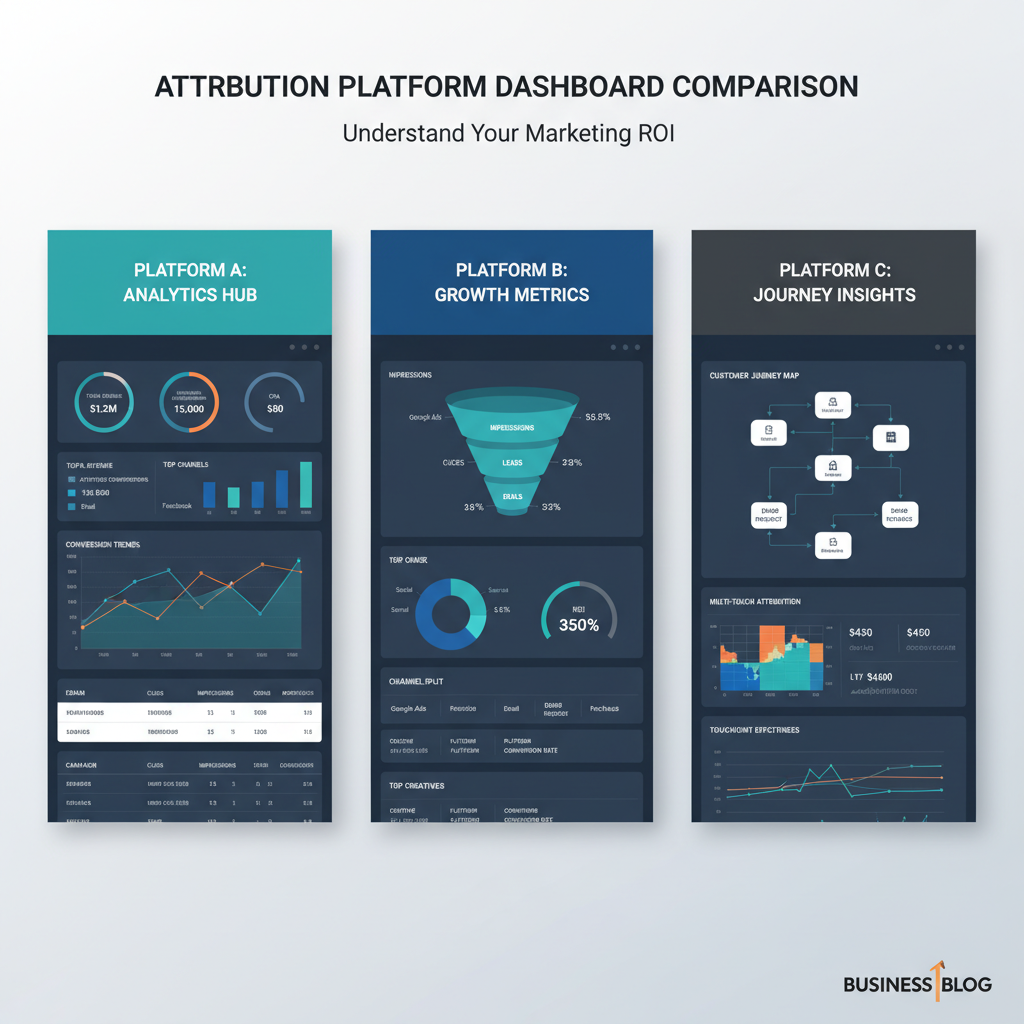
Attribution platforms vary in their approach to presenting multi-touch insights
8. Triple Whale
Best for: Shopify-native ecommerce measurement at accessible price points
Triple Whale rapidly grew serving ecommerce brands with a Shopify-focused analytics platform combining attribution, analytics, and creative analysis.
Key strengths:
- Native Shopify integration
- Real-time data updates
- User-friendly interface for non-technical marketers
- First-party "Triple Pixel" tracking resilient to privacy changes
- Affordable pricing for SMB ecommerce
According to eMarketer research, attribution accuracy directly correlates with ecommerce profitability. Triple Whale won't match the methodological rigor of dedicated MMM platforms, but for Shopify brands wanting better visibility than Google Analytics, it fills an important gap.
Considerations: Purpose-built for ecommerce on Shopify. Limited applicability for B2B, lead gen, or significant offline media.
9. Northbeam
Best for: Multi-channel DTC brands needing granular attribution with MMM-light capabilities
Northbeam markets itself as the "attribution platform for modern growth teams," emphasizing real-time data and machine learning-powered models.
Key strengths:
- Multi-touch attribution with customizable models
- Real-time performance dashboards
- Media mix modeling light for strategic planning
- Cross-device tracking using probabilistic methods
Northbeam sits between tactical attribution and strategic MMM. You get faster feedback than traditional modeling but more sophistication than last-click attribution—useful for media budget optimization workflows.
Considerations: Like most attribution platforms, works best for digital-heavy media mixes. Offline measurement capabilities are limited.
Open-Source and DIY Options
For organizations with data science capabilities, building your own measurement solution is increasingly viable—and several excellent frameworks exist.
10. Google Meridian
Best for: Organizations with data science resources wanting customizable, enterprise-grade MMM
Google's Meridian framework provides an open-source foundation for building marketing mix models. Released in 2024, it represents Google's latest thinking on MMM methodology.
Key strengths:
- Free and open-source
- Bayesian approach to MMM
- Integrates with Google advertising data
- Customizable to your specific needs
- Active development with Google support
Requirements: Python expertise, statistical knowledge, data infrastructure
Meridian isn't plug-and-play. You'll need data scientists who understand both methodology and business context. But for organizations with those capabilities, it offers enterprise-grade MMM without enterprise price tags.
Our complete Meridian guide covers implementation requirements and best practices in detail.
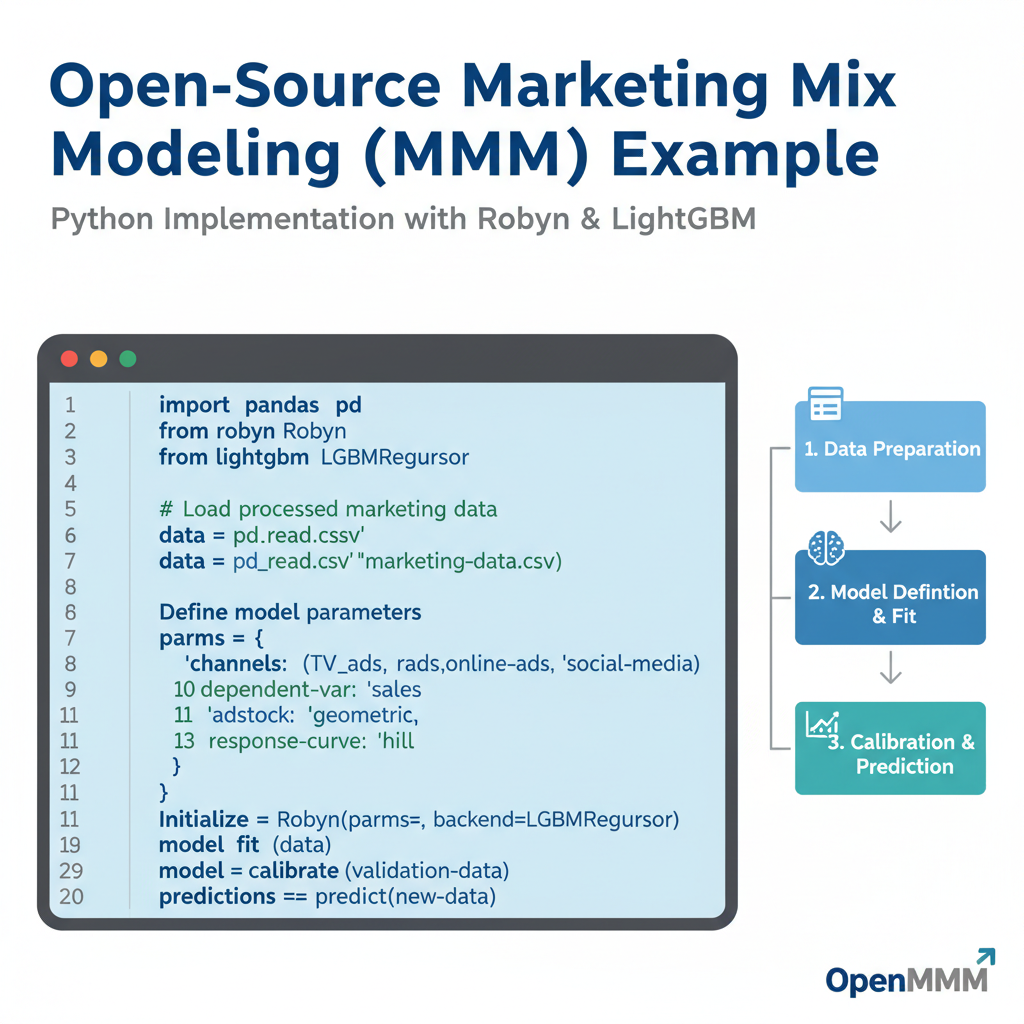
Open-source options like Meridian and Robyn offer powerful capabilities for technical teams
11. Meta Robyn
Best for: Facebook-heavy advertisers wanting accessible open-source MMM
Meta's Robyn is another open-source MMM solution, focused on making marketing mix modeling more accessible with automated hyperparameter tuning and budget optimization.
Key strengths:
- Open-source and free
- Automated model selection
- Budget optimization built-in
- Strong community and documentation
- R-based (accessible to analysts)
Requirements: R programming, statistical understanding
Robyn has gained significant adoption since its 2021 release. Meta's documentation shows the framework has been adopted by thousands of organizations. Our Meta Robyn guide provides implementation guidance.
Considerations: Automated features lower barriers, but you still need analysts who understand what the model is doing and whether outputs make sense.
Specialized Alternatives
12. Admetrics
Best for: E-commerce teams wanting consolidated analytics with real-time updates
Admetrics is designed specifically for e-commerce, consolidating marketing data into a single platform with real-time updates and comprehensive analytics.
Key strengths:
- E-commerce-focused integrations
- Real-time data consolidation
- Marketing performance analytics
- Accessible for non-technical teams
For smaller e-commerce brands not ready for sophisticated MMM but wanting more than basic analytics, Admetrics provides solid infrastructure that supports measurement maturity growth.
How to Choose the Right Alternative
Assessment Framework
The right platform depends on your specific situation. Work through these questions:
1. What's your measurement philosophy?
- "We want comprehensive, unified measurement": Lifesight's approach suits you—or alternatives like BlueAlpha.ai that combine methodologies
- "We need experimental proof, not models": Incrementality platforms (Measured.com, Haus.io) provide scientific rigor
- "AI should drive recommendations": BlueAlpha.ai's action-oriented approach fits
- "We'll build in-house": Open-source options (Meridian, Robyn) offer capability without licensing costs
2. What's your budget reality?
- Enterprise platforms: $50K-$200K+ annually
- Mid-market solutions: $15K-$50K annually
- SMB options: Under $15K annually
- Open-source: Infrastructure and people costs only
3. What are your technical capabilities?
- Do you have data scientists who can work with open-source tools?
- Can your team interpret complex model outputs?
- Is your data infrastructure ready for advanced measurement?
4. What's your media mix?
- Primarily digital: Attribution platforms work well
- Significant offline media: You need MMM to measure TV, radio, print
- Both digital and offline: Look for platforms handling both
Our MMM readiness checklist helps assess whether your organization is prepared for advanced measurement—applicable regardless of platform choice.
Decision Matrix
| If you need... | Consider... |
|---|---|
| AI-powered measurement with guidance | BlueAlpha.ai (our top pick) |
| Experimental incrementality proof | Measured.com, Haus.io |
| Continuous incrementality without holdouts | INCRMNTAL |
| Upper-funnel channel measurement | SegmentStream |
| MTA + MMM hybrid | Objective Platform, Rockerbox |
| Shopify-native ecommerce | Triple Whale |
| DTC multi-touch attribution | Northbeam, Rockerbox |
| Open-source/DIY | Google Meridian, Meta Robyn |
| Budget-friendly starting point | INCRMNTAL, Admetrics |
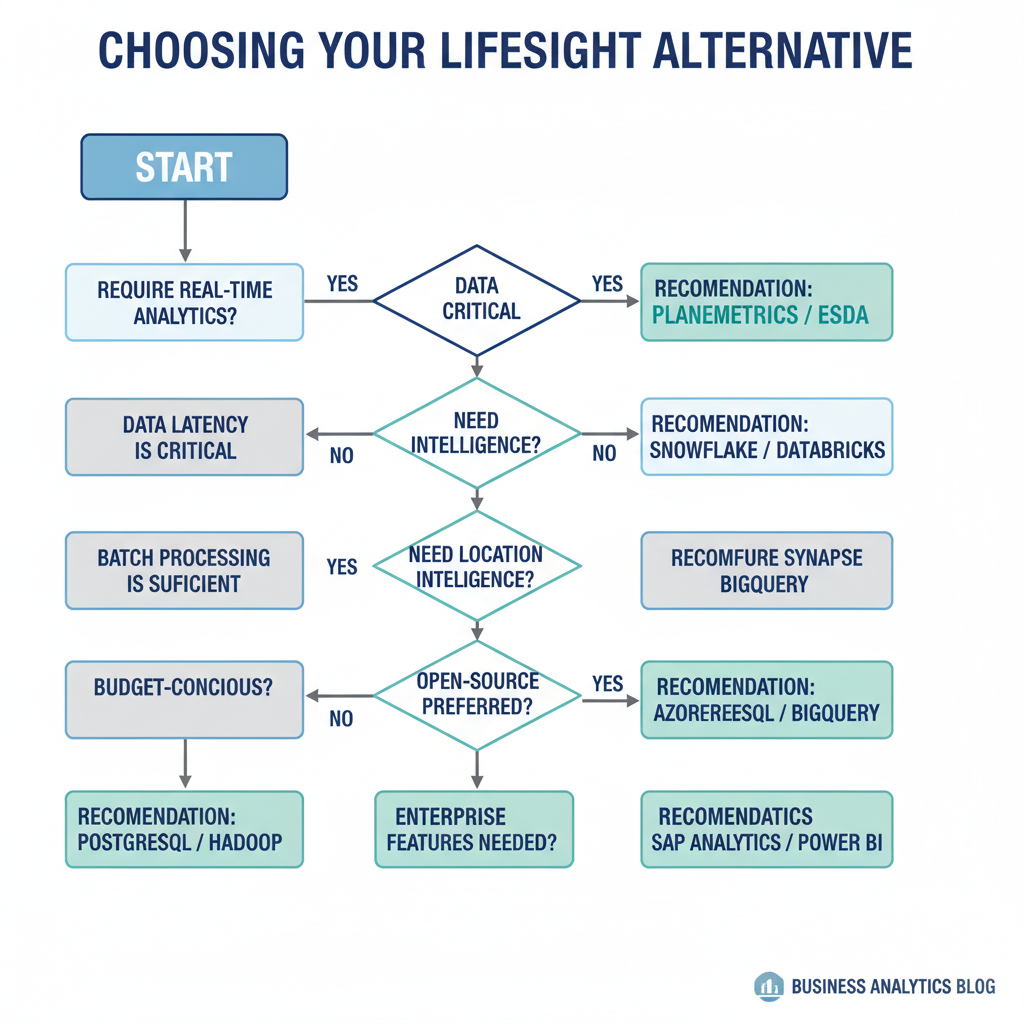
Your specific requirements determine which platform philosophy fits best
Implementation Considerations
Selecting a platform is just the beginning. Successful implementation requires:
Data preparation
- 12-24 months of historical data for MMM
- Clean, consistent conversion tracking
- Documented marketing activities and spend
- External factors captured (seasonality, promotions, competitive activity)
Our preparation tips cover building the data foundation any measurement platform requires.
Organizational readiness
- Executive buy-in for measurement investment
- Clear ownership of measurement strategy
- Commitment to act on insights
- Realistic expectations about timeline
McKinsey research confirms that measurement value ultimately depends on how quickly and effectively organizations act on insights. The best platform in the world won't help if insights don't drive decisions.
The Case for Multiple Methodologies
Here's an insight many marketers miss: the best measurement strategy often combines multiple approaches.
Marketing mix modeling provides strategic, aggregate insights. Incrementality testing validates findings with controlled experiments. Multi-touch attribution offers tactical optimization data.
None of these methodologies is complete on its own. Each has blind spots others can fill.
According to Ipsos research, brands using multiple measurement methodologies achieve 20-30% better marketing efficiency than those relying on single approaches.
Lifesight's unified philosophy acknowledges this reality. But so do platforms like BlueAlpha.ai that triangulate across methodologies while prioritizing action over exhaustive measurement.
For deeper exploration of methodology trade-offs, our comprehensive MMM comparison guide breaks down when each approach works best.
Frequently Asked Questions
What makes Lifesight different from its alternatives?
Lifesight's core differentiator is unified measurement—combining MMM, MTA, incrementality testing, and causal AI in one platform. Rather than choosing between methodologies, Lifesight integrates them. Alternatives may specialize in specific approaches (pure incrementality, AI-driven action, open-source flexibility) or take different philosophical stances on measurement.
How much do Lifesight alternatives typically cost?
Pricing varies significantly. Enterprise platforms like Measured.com typically run $50K-$200K+ annually. AI-powered solutions like BlueAlpha.ai offer competitive enterprise pricing with consultative support. Mid-market solutions like Rockerbox often range $20K-$60K. Budget-friendly options like INCRMNTAL start around $12K/year. Open-source tools (Meridian, Robyn) are free but require internal data science investment.
Can I use open-source tools instead of commercial platforms?
Yes, if you have data science capabilities. Google Meridian and Meta Robyn provide robust MMM frameworks. However, commercial platforms offer faster implementation, ongoing support, and often better-validated methodologies. The build vs. buy decision depends on your team's capabilities and the value of faster time-to-insight. Our marketing ROI analysis guide helps evaluate this trade-off.
How long does implementation take for marketing measurement platforms?
Expect 2-4 months for initial implementation with 6-12 months to build confidence in outputs. Self-serve attribution platforms deploy in 1-2 weeks. Data integration takes 2-6 weeks. Marketing mix modeling requires 6-12 weeks for proper model development and validation. Incrementality testing needs 4-8 weeks per test cycle for results.
Should I choose incrementality testing or marketing mix modeling?
Ideally, both. Incrementality testing provides causal proof that specific activities drive results. Marketing mix modeling provides strategic allocation guidance across your full marketing mix. The methodologies complement each other—MMM suggests where to invest, incrementality testing validates recommendations. Our MTA vs MMM comparison explores these differences in depth.
What data do I need to implement these alternatives?
At minimum: 12+ months of historical marketing spend by channel, conversion/revenue data at daily or weekly granularity, and documented external factors (seasonality, promotions). More sophisticated implementation benefits from impression data, CRM information, competitive intelligence, and offline marketing activities. See our preparation tips for detailed data requirements.
Is Lifesight's unified approach better than specialized platforms?
Neither approach is universally superior. Unified measurement provides comprehensive visibility and methodological cross-validation. Specialized platforms often go deeper in their specific area. The right choice depends on your measurement philosophy, team capabilities, and organizational preferences. Some organizations prefer one platform doing everything adequately; others prefer best-in-class tools for specific purposes.
Conclusion
Lifesight built a strong platform for unified marketing measurement. But it represents one philosophy in an increasingly diverse landscape.
Key takeaways:
- BlueAlpha.ai stands out for organizations wanting AI-driven action with expert guidance
- The right alternative depends on your measurement philosophy, budget, and capabilities
- Incrementality platforms (Measured.com, Haus.io, INCRMNTAL) focus on experimental rigor
- Attribution platforms (Triple Whale, Northbeam, Rockerbox) serve digital-heavy, ecommerce-focused needs
- Open-source tools (Google Meridian, Meta Robyn) offer enterprise capability at lower cost—if you have data science resources
- The best measurement strategy often triangulates across multiple methodologies
Don't choose a platform based on features alone. Start with clarity on what questions you need answered, then evaluate which approach best addresses those questions within your constraints.
Marketing measurement is a capability that compounds over time. According to Forrester research, organizations that invest in measurement infrastructure today will have significant advantages as privacy changes make measurement harder and competition for attention intensifies.
Ready to evaluate your measurement needs? Take our readiness quiz to assess your current capabilities, or explore our MMM checklist for guidance on preparing for advanced marketing measurement.
Stay in the loop
Get updates on new posts and resources.