Top 7 Roadway.ai Alternatives for Marketing Analytics in 2025
Explore the best Roadway.ai alternatives for marketing analytics and attribution. Compare features, pricing, and find the right growth analytics platform.
Roadway.ai carved out a niche in the growth marketing analytics space with its full-funnel attribution and automated insights. But it's not the only player in town—and depending on your specific needs, it might not be the best fit.
Maybe you're hitting Roadway.ai's limitations. Maybe pricing doesn't work for your budget. Or maybe you're evaluating options for the first time and want to understand what else exists before committing.
This guide breaks down the top Roadway.ai alternatives worth considering in 2025. Each platform takes a different approach to solving the same fundamental problem: understanding which marketing efforts actually drive results.
Why Look for Roadway.ai Alternatives?
Before diving into alternatives, let's acknowledge what Roadway.ai does well. The platform offers self-serve analytics, guided automation, and multi-model attribution designed for growth marketers. Its full-funnel approach tracks the customer journey from first touch to conversion.
But several factors might push you toward alternatives:
Methodology limitations. Roadway.ai relies primarily on digital attribution models. If you're running significant offline media (TV, radio, out-of-home) or need to understand cross-channel synergies, you'll hit walls. Marketing mix modeling offers a more comprehensive approach for complex media mixes.
Privacy headwinds. Attribution platforms dependent on user-level tracking face increasing challenges. iOS privacy changes and cookie deprecation have fundamentally altered what's measurable through traditional attribution.
Scale requirements. Some organizations need enterprise-grade solutions with deeper integrations, custom modeling, or dedicated support that self-serve platforms can't provide.
Budget alignment. Your marketing spend and measurement needs should align with platform pricing. Paying enterprise rates for startup-level analytics doesn't make sense—and vice versa.
According to Gartner's marketing technology research, organizations increasingly adopt multiple measurement approaches rather than relying on single platforms. Understanding your alternatives gives you optionality.
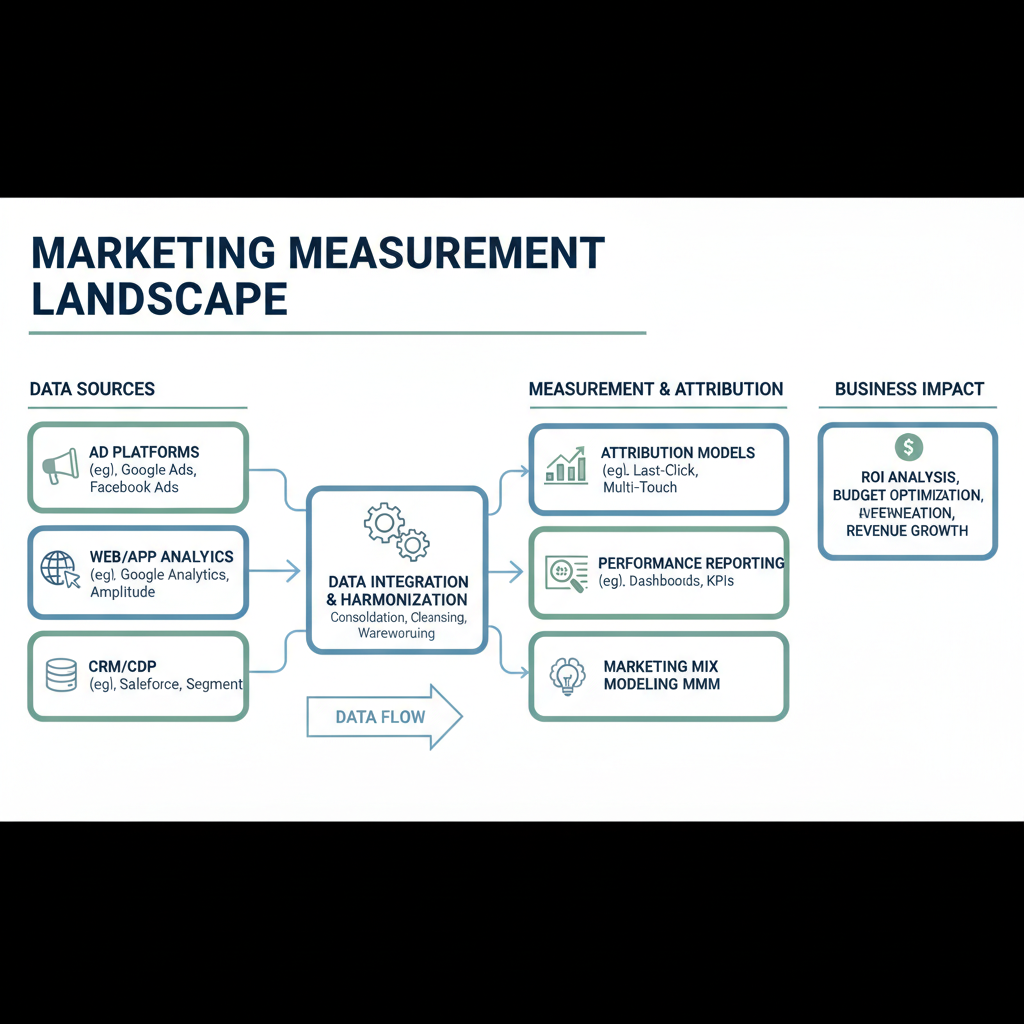
The marketing analytics landscape offers diverse approaches to measurement challenges
Top 7 Roadway.ai Alternatives
1. BlueAlpha.ai
Best for: Organizations needing comprehensive marketing mix modeling with expert guidance
BlueAlpha.ai takes a fundamentally different approach than Roadway.ai. Instead of tracking individual user journeys, it uses statistical modeling to determine the incremental impact of each marketing channel on business outcomes.
Key differentiators:
- Bayesian marketing mix modeling that quantifies channel contribution without user-level tracking
- Saturation curve analysis showing where diminishing returns kick in for each channel
- Cross-channel synergy detection identifying which channel combinations amplify results
- Budget optimization recommendations with expected ROI projections
- Offline media measurement including TV, radio, print, and out-of-home
BlueAlpha.ai shines when you need to answer strategic questions: "How should we allocate our budget across channels?" or "What's the true incremental value of our Facebook spend?"
The consultative approach means you get expert guidance on implementation and interpretation—not just software access. This matters because marketing effectiveness measurement is only as good as its implementation.
Considerations: The modeling approach requires historical data (typically 2+ years) and works better at higher spend levels where statistical significance is achievable. Organizations spending less than $300K monthly on marketing may not see the full benefit.
2. Workmagic
Best for: Growth-stage companies wanting lift-adjusted attribution
Workmagic positions itself as a "growth science platform" combining multiple measurement approaches. Its lift-adjusted attribution attempts to bridge the gap between traditional attribution and incrementality testing.
Key features:
- Lift-adjusted attribution that accounts for organic baseline
- Net profit analysis connecting marketing to bottom-line impact
- Geo-incrementality testing for channel validation
- Automated data normalization across platforms
Where Roadway.ai focuses on the customer journey, Workmagic emphasizes the financial impact. The net profit framing appeals to organizations under pressure to prove marketing ROI.
Considerations: The platform is relatively newer, which means less established track record compared to incumbents. Evaluate case studies carefully before committing.
3. Measured.com
Best for: Enterprise brands requiring scientific rigor and incrementality testing
Measured.com built its reputation on automated geo-testing—running actual experiments to prove (not model) marketing impact. If your CFO demands scientific evidence rather than model outputs, Measured delivers.
Key features:
- Automated geo-testing that runs controlled experiments at scale
- Cross-channel incrementality measurement including walled gardens
- MMM calibration using experimental results to ground models in reality
- Privacy-compliant architecture without user-level tracking
The experimental approach provides higher confidence than purely observational methods. Research from Nielsen suggests geo-testing delivers 30-40% more accurate ROI estimates than correlation-based attribution.
For deeper comparison, our guide on Measured.com vs BlueAlpha.ai breaks down when each approach makes sense.
Considerations: Geo-tests require time (4-8 weeks per test) and sufficient scale to achieve statistical significance. This isn't a platform for quick, tactical decisions.
Each alternative prioritizes different aspects of marketing measurement
4. Triple Whale
Best for: E-commerce and DTC brands on Shopify
Triple Whale carved out a strong position serving e-commerce brands, particularly those on Shopify. The platform combines attribution, analytics, and creative analysis in a single dashboard.
Key features:
- First-party data attribution using server-side tracking
- Creative performance analysis identifying which ads drive results
- Profit and loss reporting at the customer level
- AI-powered insights and anomaly detection
The e-commerce focus shows in integrations. Triple Whale connects deeply with Shopify, Klaviyo, and major ad platforms. If your business runs on this stack, implementation is straightforward.
Their "Triple Pixel" provides first-party tracking that's more resilient to privacy changes than third-party solutions. For brands struggling with post-iOS 14 attribution, this matters.
Considerations: The platform is purpose-built for e-commerce. B2B companies, lead gen businesses, and brands with significant offline presence will find limited applicability.
5. Northbeam
Best for: Multi-channel DTC brands needing granular attribution
Northbeam markets itself as the "attribution platform for modern growth teams." The platform emphasizes real-time data and machine learning-powered models.
Key features:
- Multi-touch attribution with customizable models
- Real-time performance dashboards for tactical optimization
- Media mix modeling light for strategic planning
- Cross-device tracking using probabilistic methods
Northbeam sits between tactical attribution tools and strategic MMM platforms. You get faster feedback than traditional MMM but more sophistication than last-click attribution.
The platform integrates well with media budget optimization workflows, providing data at the pace marketers need for campaign decisions.
Considerations: Like most attribution platforms, Northbeam works best for digital-heavy media mixes. Offline measurement capabilities are limited compared to dedicated MMM solutions.
6. Funnel.io
Best for: Organizations needing data integration before analytics
Funnel.io solves a different problem than Roadway.ai. Where Roadway focuses on attribution and insights, Funnel.io focuses on data collection and normalization.
Key features:
- 500+ data connectors for marketing platforms
- Automated data transformation and normalization
- Flexible export destinations to any BI tool or data warehouse
- No visualization layer—it's infrastructure, not analytics
Think of Funnel.io as the plumbing that feeds your analytics stack. For organizations drowning in manual data exports and spreadsheet reconciliation, this solves immediate operational pain.
The platform pairs well with marketing measurement tools that need clean, consolidated data inputs. Our comparison of Funnel.io vs BlueAlpha.ai explores how these platforms complement each other.
Considerations: Funnel.io tells you what happened but not why. You'll need separate tools for actual attribution and optimization recommendations.
7. Lifesight
Best for: Mid-market brands wanting AI-powered optimization
Lifesight combines unified marketing measurement with AI-driven recommendations. The platform attempts to make sophisticated analytics accessible to teams without deep data science expertise.
Key features:
- Unified marketing measurement combining attribution and MMM
- Scenario planning for budget allocation decisions
- AI recommendations for optimization opportunities
- Customer journey analytics with path analysis
The unified approach appeals to organizations that want one platform rather than assembling multiple tools. Lifesight handles data integration, attribution, and optimization in a single environment.
Considerations: "All-in-one" platforms make tradeoffs. Dedicated solutions often go deeper in their specific area than platforms trying to do everything.
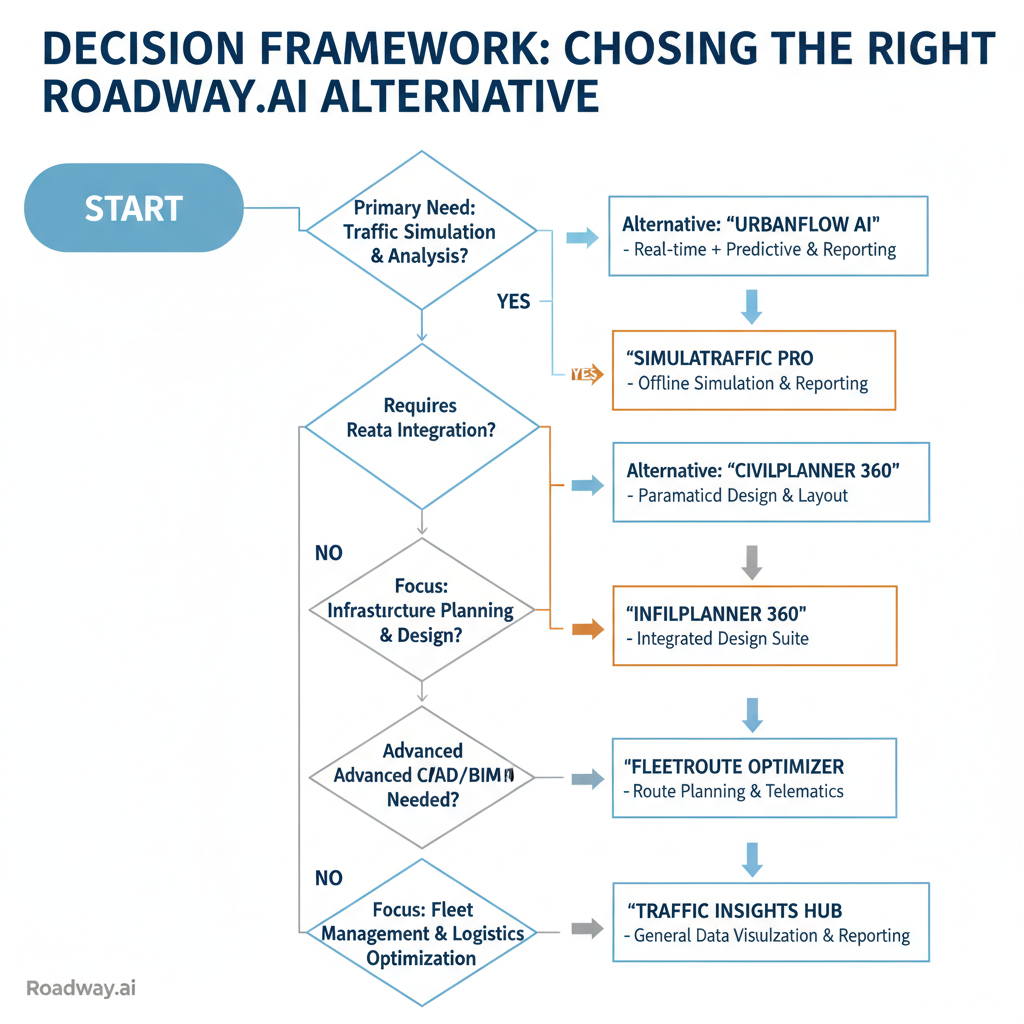
Your specific requirements determine which alternative fits best
How to Choose the Right Alternative
Selecting the right platform depends on several factors. Work through these questions:
What's your primary measurement challenge?
"We can't track attribution accurately anymore." Look at first-party tracking solutions (Triple Whale, Northbeam) or aggregate modeling (BlueAlpha.ai, Measured.com).
"We need to optimize budget allocation." Marketing mix modeling platforms provide optimization recommendations. BlueAlpha.ai and similar solutions excel here.
"Our data is fragmented across platforms." Start with data integration (Funnel.io) before adding analytics layers.
"We need to prove marketing's business impact." Incrementality testing (Measured.com) or MMM provides defensible evidence for stakeholder conversations.
What's your media mix?
Primarily digital: Attribution platforms (Northbeam, Triple Whale) work well for digital-heavy mixes.
Significant offline media: You need MMM to measure TV, radio, print, and out-of-home. Digital attribution platforms can't help here. Our guide on funnel stage budget allocation explores how different channels contribute across the funnel.
Both digital and offline: Look for platforms that handle both, typically MMM solutions with digital integrations.
What's your budget and team?
Under $100K monthly ad spend: Self-serve platforms with lighter pricing structures. Complex MMM may not provide enough value at this scale.
$100K-500K monthly: Mid-market solutions that balance capability with complexity. Consider whether you have internal analytics resources.
$500K+ monthly: Enterprise solutions with dedicated support become worthwhile. The percentage improvement from better measurement compounds significantly at scale.
Harvard Business Review research confirms that measurement sophistication should match organizational complexity. Don't overbuy—but don't underbuy either.
What's your timeline?
Need insights this week: Self-serve attribution platforms deploy quickly but have methodology limitations.
Can invest 2-3 months: MMM and incrementality testing require setup time but deliver more reliable insights.
Building long-term capabilities: Consider how platforms integrate with your data infrastructure and support your team's growth. Our preparation tips guide covers building the foundation for advanced measurement.
Comparing Key Features
| Feature | Roadway.ai | BlueAlpha.ai | Measured.com | Triple Whale | Northbeam | Funnel.io |
|---|---|---|---|---|---|---|
| Attribution | ✅ Full-funnel | ⚠️ Via MMM | ⚠️ Via testing | ✅ Multi-touch | ✅ Multi-touch | ❌ |
| MMM | ❌ | ✅ Bayesian | ✅ Calibrated | ❌ | ⚠️ Light | ❌ |
| Incrementality | ❌ | ✅ Modeled | ✅ Experimental | ❌ | ❌ | ❌ |
| Offline Media | ❌ | ✅ Full | ✅ Full | ❌ | ❌ | ⚠️ Data only |
| Self-Serve | ✅ | ⚠️ Guided | ⚠️ Managed | ✅ | ✅ | ✅ |
| E-commerce Focus | ⚠️ | ⚠️ | ⚠️ | ✅ | ✅ | ⚠️ |
Check out our MMM readiness checklist to assess whether your organization is prepared for advanced measurement approaches.
Frequently Asked Questions
What is Roadway.ai best used for?
Roadway.ai excels at full-funnel attribution for digital-first growth marketing teams. The platform's self-serve analytics and guided automation suit organizations that want to understand customer journeys without heavy data science resources. It's particularly effective for tracking how users move through digital touchpoints to conversion.
Why are marketers looking for Roadway.ai alternatives?
Common reasons include privacy-related attribution challenges (iOS 14.5+ changes, cookie deprecation), need for offline media measurement that digital attribution can't provide, desire for incrementality testing to prove causation rather than correlation, and budget or scale requirements that don't match the platform's sweet spot.
Can I use multiple measurement platforms together?
Yes—many sophisticated marketing organizations use complementary platforms. For example, a data integration tool (Funnel.io) feeding a marketing mix model (BlueAlpha.ai) with periodic validation through incrementality testing (Measured.com). The key is ensuring platforms serve distinct purposes rather than duplicating functionality. Forrester research suggests this multi-tool approach is becoming standard for enterprise marketing teams.
How do I evaluate attribution accuracy across platforms?
No attribution platform is perfectly accurate—that's inherent to the methodology. Instead, evaluate based on: consistency of results over time, alignment with business outcomes you can verify (like geo-tests or holdout experiments), ability to explain results logically, and whether recommendations lead to improved performance when implemented. Our marketing ROI analysis guide provides frameworks for evaluation.
What's the difference between attribution and marketing mix modeling?
Attribution tracks individual user journeys to assign credit across touchpoints—it's bottom-up and typically digital-focused. Marketing mix modeling uses aggregate statistical analysis to estimate channel contribution—it's top-down and handles all media types including offline. Attribution answers "which ad did this person see before converting?" while MMM answers "how much revenue did our TV campaign drive?"
How long does implementation typically take?
Self-serve attribution platforms like Triple Whale or Northbeam can be operational within 1-2 weeks. Data integration platforms like Funnel.io typically take 2-4 weeks. Marketing mix modeling solutions require 6-12 weeks for proper model development and validation. Incrementality testing platforms need 4-8 weeks per test cycle to generate results.
Making Your Decision
The Roadway.ai alternatives landscape offers genuinely different approaches to marketing measurement. There's no universal "best" option—only the best option for your specific situation.
Key takeaways:
- Digital-heavy e-commerce brands find value in attribution-focused platforms like Triple Whale or Northbeam
- Organizations with complex media mixes (digital + offline) need MMM capabilities from platforms like BlueAlpha.ai
- Companies requiring scientific proof of marketing impact should evaluate incrementality testing (Measured.com)
- Data fragmentation problems should be solved first with integration tools before adding analytics layers
- Your budget, team capabilities, and timeline should match platform requirements
According to eMarketer research, marketing measurement will continue evolving as privacy regulations tighten and media landscapes fragment. Choosing a platform that adapts to these changes matters as much as current feature sets.
Before committing to any platform, assess your measurement readiness. Our MMM readiness checklist helps identify gaps in data infrastructure, organizational alignment, and technical capabilities that impact implementation success.
Ready to improve your marketing measurement? Start with our readiness quiz to evaluate your current capabilities, or explore our preparation tips for guidance on building the data foundation these platforms require.
Stay in the loop
Get updates on new posts and resources.